

What Is Kizomba, Really?
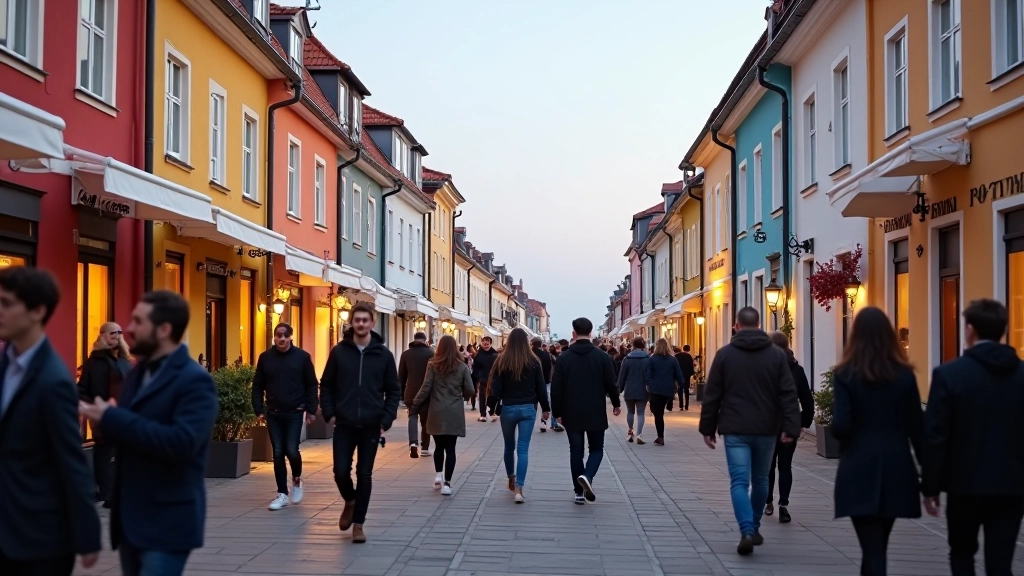
Kizomba's not like other dances you've probably seen. It's intimate, it's grounded, and it's all about connection between two people. The dance started in Angola in the 1980s and has spread across the world — including right here to Rīga's dance halls.
The rhythm is slow and sensual. Think of it as a conversation between bodies rather than a showcase of fancy footwork. You'll hear influences from zouk, semba, and traditional Angolan music. Most importantly, it's designed for people who want to dance close and actually feel the music together. No complicated spins. No showing off. Just you, your partner, and the beat.
Understanding the Rhythm
The basic kizomba rhythm is simple: it's in 4/4 time, but you'll move differently than you'd expect. Most beginners make the mistake of rushing. That's the biggest thing to avoid. The beat is deliberate and slow — usually between 90-110 beats per minute. That gives you space to actually feel what's happening.
The basic step is three moves forward or back, then you pause. It's hypnotic once you get it. Your weight stays grounded. Your knees stay soft — not locked, not bouncing. The movement comes from your hips and your connection with your partner, not from flailing your legs around.
Kizomba is about 60% feeling the music and 40% technique. If you're thinking too hard about your feet, you're doing it wrong.
Educational Note
This guide is informational only. Dance technique varies by instructor and community. When you attend your first meetup in Rīga, the instructors will guide you through proper form and safety. Everyone's body is different, and experienced dancers will adjust teaching to your needs.
Connection Is Everything
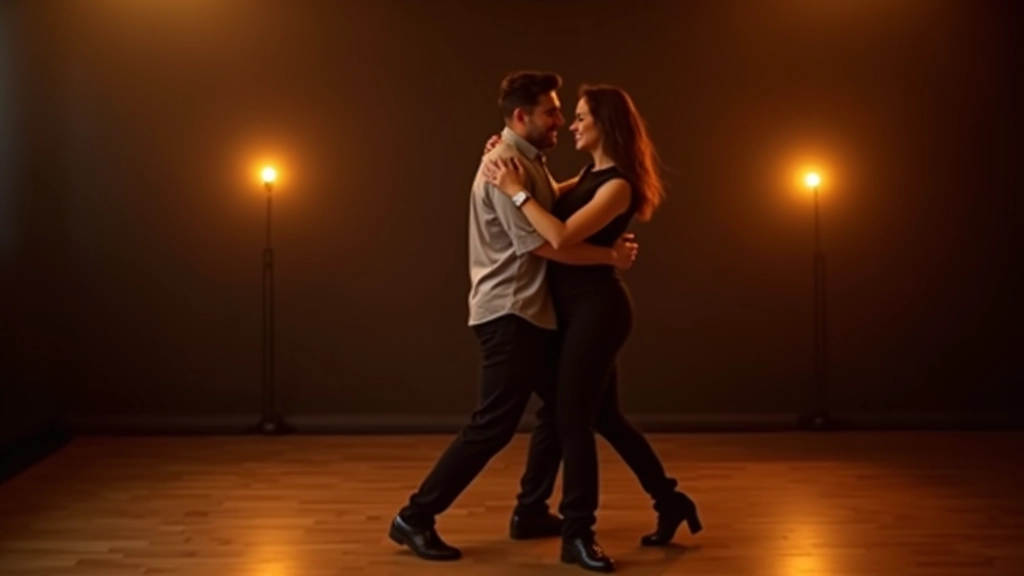
Here's what makes kizomba different from salsa or bachata: the connection. You're dancing chest-to-chest or hip-to-hip with your partner. That sounds intimidating if you've never done it before. But it's actually easier to learn because you're not trying to figure out steps in isolation — your partner's body is telling you what to do.
The lead (usually the person in the masculine role) guides through pressure and movement, not through pulling or pushing. The follow responds to that pressure. It's a conversation. A good lead makes a follow feel confident. A good follow makes a lead feel like they're actually leading.
Most beginners worry about messing up. Don't. In Rīga's dance halls, you'll find experienced dancers who remember being beginners. They'll dance with you and help you feel the rhythm. That's the culture here.

Getting Ready for Your First Meetup
Rīga has several regular kizomba gatherings throughout the week. Most happen in the evenings — typically 8 PM to midnight — in dance studios or social clubs. Here's what you should actually know before you go.
What to Wear
Wear shoes with a smooth sole — leather or suede. Sneakers don't work. You need to pivot and glide without friction. Most dancers wear casual but nice clothing. It's a social event, not a gym class.
The Social Aspect
Don't expect to sit on the sidelines watching. You'll get asked to dance. That's normal. Say yes. It's how you learn. Most experienced dancers at Rīga meetups are genuinely patient with beginners.
Listen First
Before your first dance, spend 10 minutes just listening to the music. Let your body feel the rhythm. You'll recognize it immediately once you hear it a few times.
The Right Mindset
Kizomba isn't competitive. You won't see anyone showing off fancy tricks at Rīga's social dance nights. The whole point is to connect and enjoy music together. If you're worried about looking foolish, you're overthinking it. Everyone in that room has been a beginner.
Give yourself permission to be slow and clumsy at first. Your feet will catch up. Your body will remember the rhythm. But that takes a few sessions — usually 3-4 times dancing before it clicks. Don't give up after one night.
"The beauty of kizomba is that it's not about perfection. It's about two people moving together. If you're both present and listening to the music, that's already a good dance."
— Community feedback from Rīga dancers
Rīga's dance community is welcoming. Most meetups have a brief 15-30 minute introduction for new dancers before the social dancing starts. That gives you basics without pressure. You'll leave your first night wanting to come back.