

Salsa Techniques That Actually Help You Connect on the Dance Floor
Three key techniques for better salsa dancing. Lead-follow connection, musicality, and why practice with different partners matters more than you think.


Connection Starts Before the Music
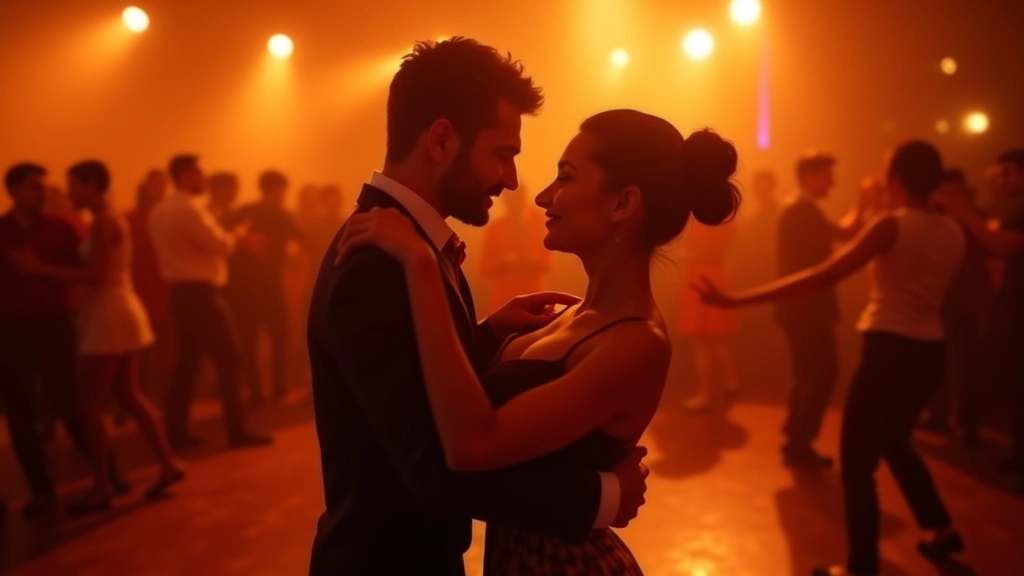
Here's what most people get wrong about salsa. They think it's all about footwork and fancy spins. But if you're dancing in Rīga's social halls or at a beachside gathering in Jūrmala, you'll notice something immediately — the best dancers aren't moving the fastest. They're moving with someone.
Connection is the foundation. It's what transforms two people executing steps into actual partners creating something together. You can't fake it. Your partner feels everything — whether you're present, whether you're listening, whether you care about their experience.
The lead-follow connection happens through your frame. Not rigid, not loose — there's a sweet spot. Your left hand should be firm enough that your partner feels direction without tension. Your right hand on their back isn't pushing or pulling. It's communicating. Think of it like a conversation where you're both listening.

Musicality Changes Everything
Most beginners dance in 1-2-3, pause, 5-6-7, pause. It works technically. But you're not dancing with the music — you're dancing against it. Salsa's rhythm sits on top of layers. There's the clave (that underlying pattern), the conga, the trombone line, the vocals. When you start listening to these layers instead of just the beat, your dancing shifts.
Here's a practical technique: pick one instrument and follow it for an entire song. Just the conga one time. Just the horn section the next. This trains your ear. After maybe 10-15 songs of focusing on different parts, you'll naturally start dancing with multiple layers at once. You won't be thinking about it anymore — you'll just feel where to move.
Your partner notices this immediately. When you're actually listening to the music, they can follow you better. You're not just moving — you're responding. That's when salsa feels alive.
Learning Note
These techniques are educational guidance based on common practices in social salsa dancing. Every dancer learns at their own pace. If you're new to salsa, starting with a few beginner sessions in a group setting helps you build confidence before joining social dance events. The best learning happens when you're comfortable and having fun.
Different Partners Teach You Different Things
This is the secret that separates dancers who plateau from dancers who keep improving. If you always dance with the same partner, you learn their style. You get comfortable. But you don't grow as much as you think.
When you dance with someone new — someone with a different frame, different timing, different height, different leading style — you have to adapt. Your body figures things out. A follower who steps on the 2 instead of the 1 forces you to listen differently. A lead who has tighter turns teaches you how to maintain connection through rotation. A partner who's 20 centimeters taller shows you how to adjust your frame angle.
The social dance events in Latvia are perfect for this. Rīga's weekend gatherings rotate partners naturally. Jūrmala's beachside sessions bring people from different backgrounds. You're not locked in — you're experiencing. After 4-5 different partners in one evening, you're genuinely a better dancer than when you walked in.
Don't skip around every song. But don't stick with one person the whole night either. Three songs, maybe four if you're really vibing, then move. Say thanks, smile, and find someone new. This mindset alone changes your development.

Practice These Three Things
If you want to improve connection quickly, focus on three specific practices. First: hold your frame for 10 minutes straight without thinking about steps. Just frame. Feel your partner's weight. Notice how they shift. This sounds boring but it's foundational.
Second: practice basic steps with different tempos. Not faster dancing — different music speeds. Slow salsa songs. Medium tempo. Fast montuno rhythms. Your body adapts to different timing. You become flexible instead of locked into one speed.
Third: dance with someone completely new at least once a week. Someone you've never danced with. Someone outside your usual circle. You'll be uncomfortable for the first 20 seconds. Then something clicks. You adapt. You both figure it out together. That's where growth happens.
Connection Is the Point
Salsa technique matters. Footwork matters. Music matters. But what people actually remember from a dance night isn't the spins. It's the moment when everything clicked with someone. When you both moved together perfectly. When the music, the frame, the timing, and the partnership all aligned for just one song.
That's what you're building toward. Not being the flashiest dancer. Being the partner people want to dance with again. The person who listens. Who's present. Who makes the other person feel like they're dancing with someone who actually cares about their experience.
Start with frame. Listen to the music. Dance with different people. You'll be surprised how quickly everything changes.